
Going Long With Dan Simonelli
Dan Simonelli on Finding the Fun, Building Confidence, and Why the Crew Needs to Sleep
I have been in the open water swimming world long enough to know that very few people have seen it from every angle. Most swimmers are just swimmers. Most coaches are coaches who never crewed. Most crew members never swam anything serious. Dan Simonelli has done all of it and he has done all of it at a level that most people in this sport never reach.
He started with a simple idea back in 2012 at La Jolla Cove. Help people who were afraid of the ocean actually get into it. What that became is the Open Water Swim Academy, one of the most respected coaching operations in the sport, with swimmers coming to Dan from around the world for everything from their first ocean swim to channel crossings. He has completed the Catalina Channel, the English Channel, SCAR, and swims in the Santa Barbara Channel Islands. In 2024 he was inducted into the International Marathon Swimming Hall of Fame as an honor coach.
Dan was also my coach through my Triple Crown of Open Water Swimming. So this conversation was a little personal.
I sat down with him for an episode of Going Long, our interview series featuring the speakers coming to Beyond the Breakers in November. Dan is presenting live this year alongside Summer Wesson on kayak and crew support. I wanted to give people a sense of who he is before he gets on that stage.
Who Is Dan Simonelli?
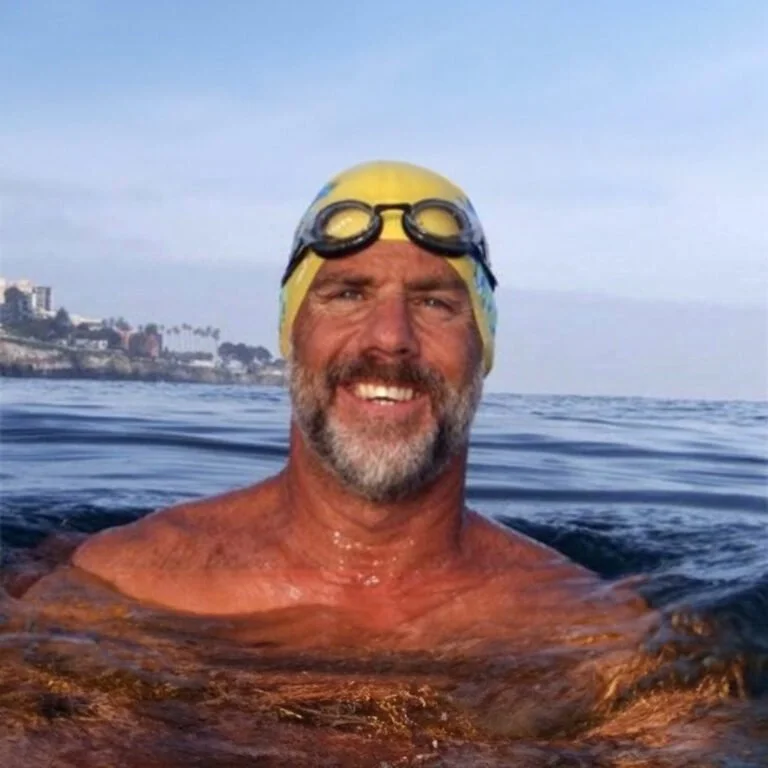
Dan Simonelli is the founder and head coach of the Open Water Swim Academy based in La Jolla, California. He is a 2024 International Marathon Swimming Hall of Fame Honor Coach and has completed the Catalina Channel, the English Channel, SCAR, and Santa Barbara Channel Islands swims.
He is a founding board member of the San Diego Open Water Swimming Association alongside Summer Wesson, Jeff Rake, and Karianne Scheevel. He is a Marine Corps veteran, a certified WSSI water safety and survival instructor, and a former ocean lifeguard.
He has coached, crewed and observed hundreds of marathon swims across the major channels and is widely regarded as one of the most empathetic and effective coaches in the open water world. He started the Open Water Swim Academy in 2012 after watching people stand at the edge of La Jolla Cove, some for years, staring at the ocean and wishing they could get into it. He decided to be the person who helped them in.
The Arc That Feels Natural in Hindsight
Dan's path to becoming a Hall of Fame coach looks like a straight line when you describe it, but he was the first to admit it did not feel that way while he was living it.
He served in the Marine Corps, where his ability to swim led to him being trained as a WSSI water safety and survival instructor. He lifeguarded after that. He went back to school at San Diego State. He raised two daughters, both of whom ended up doing Catalina Channel relays with their swim teams at age 14. Life happened in the middle. Swimming was always there but on the edges.
Then his daughters started junior lifeguards and he decided to get back in the water himself. He was overweight, he said, and just trying to figure things out. He ran a little on the beach. Swam out to the lifeguard buoy a few hundred yards. And over the course of that month something clicked back into place.
"A carrot was dangled in front of me," he said. "A friend asked if I wanted to join their team for a La Jolla Cove 10-mile relay. I was like, oh my god, I don't know if I can swim two miles. And that was really the impetus. That was the culmination of a few circumstances that led me down that road. A second major impetus was Carol Sing asking me to join their Catalina Island Circumnavigation Relay.I loved everything about it!I was hooked!”
From there he started observing Catalina swims. He got pulled into a training group at the cove that was preparing for channel crossings. He started thinking about what he could offer other people who were standing at the edge of the water feeling the same way he had.
Building Something From Nothing
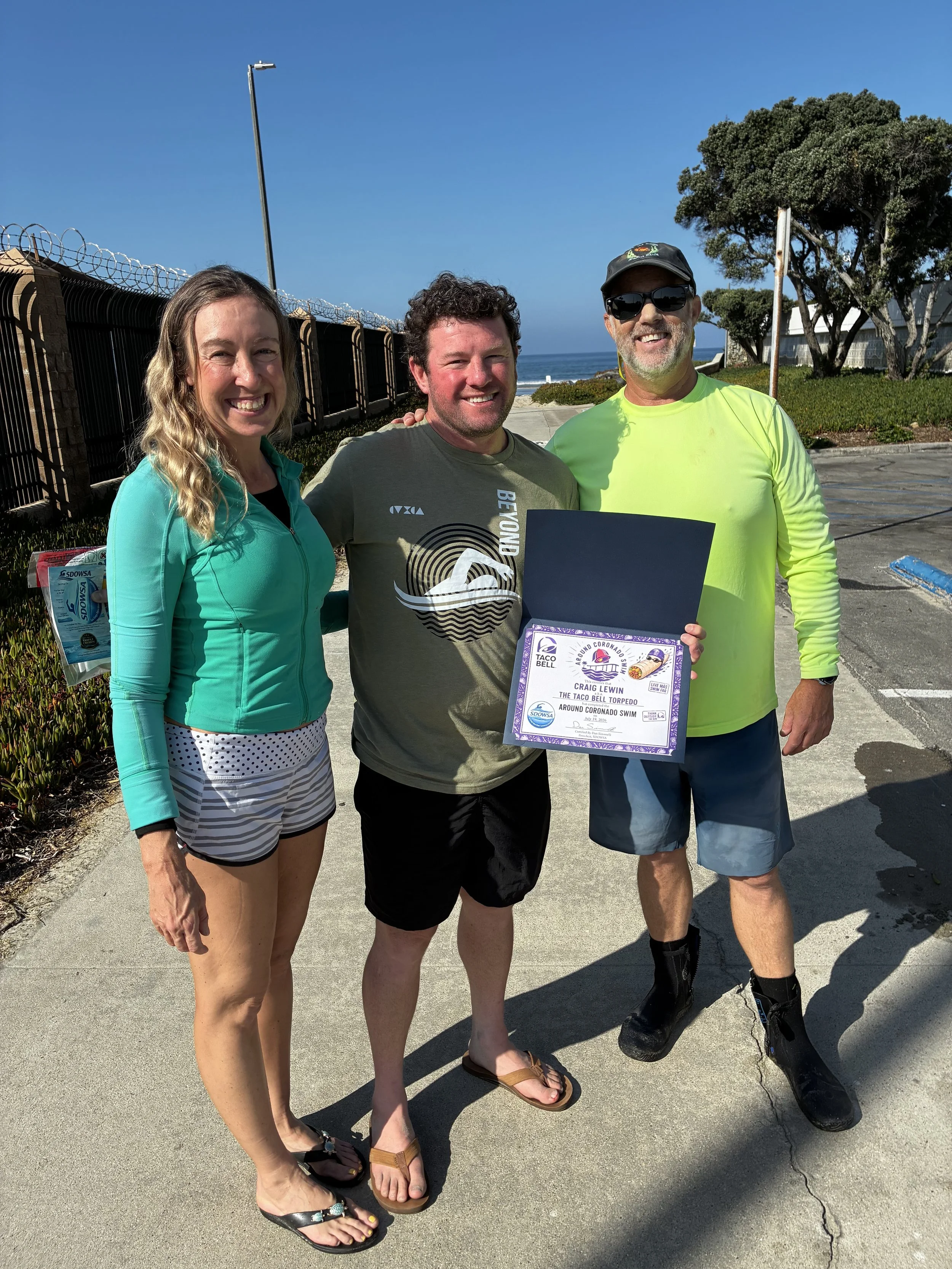
The Open Water Swim Academy did not start with a business plan. It started with Dan showing up at the cove and noticing the same thing over and over.
"I was just hearing people consistently say, I wish I could do that. I'm scared. I want to do that someday," he said. "And I started really thinking, wow, I could help with this."
He began offering to take people out. First for free. Then for a small fee. He was, as he described it, a swim tour guide. Sometimes literally holding people up in the water because they wanted to be in the ocean and had not yet figured out how to get comfortable there. What made it work, he said, was not technique. It was his own comfort with the environment. He was so relaxed that they felt relaxed.
"I got this feedback unsolicited many times," he said. "I made them feel comfortable. I was just focusing on fun. And that has really been my mantra. Find the fun. FTF, baby."
FTF. Find the fun. I have heard Dan say this in person and it is not a slogan. It is genuinely the philosophy behind everything he does. He believes that when newer swimmers approach the ocean as play rather than performance, the barriers fall faster. You stop fighting the water when you are enjoying it.
That philosophy scaled. What started as handholding nervous beginners off the La Jolla rocks grew into coaching marathon swimmers preparing for the Catalina Channel, English Channel and other major swims. The approach stayed the same. Start where the person is. Build gradually. Make it feel manageable. Push a little further than they think they can go.
What He Teaches Nervous Beginners
I asked Dan what the most common issue is with people who are genuinely afraid of open water. His answer was the same one I give my athletes even though I had never heard someone say it quite the way he does.
"Everybody doesn't breathe right," he said. "It goes back to the breathing and calming your nerves. And a lot of that goes along with the play factor. Just getting out there, dipping your face, swimming to the quarter mile buoy. Baby steps. And then like you said, you eventually start to run."
He also talked about something I know from experience on the receiving end of his coaching. He pushes people a little further than they want to go, but only slightly and only safely. When a swimmer says they want to go back, Dan finds a way to help them stay out just a little longer. Not by forcing it. By distracting them from the discomfort and letting them discover that they were capable of more than they thought.
I told him on camera about my English Channel qualifier swim in La Jolla with him. I was incredibly cold. I may have been crying. He kept pointing me further along the cliffs with no exit in sight. Two or three hours in, the shivering stopped. My body found its equilibrium. I was fine. But then I had to swim all the way back. That swim changed my confidence in a way that nothing I had done in a pool ever had.
"I knew you could handle it," he said simply.
What Coaching Hundreds of Swims Teaches You
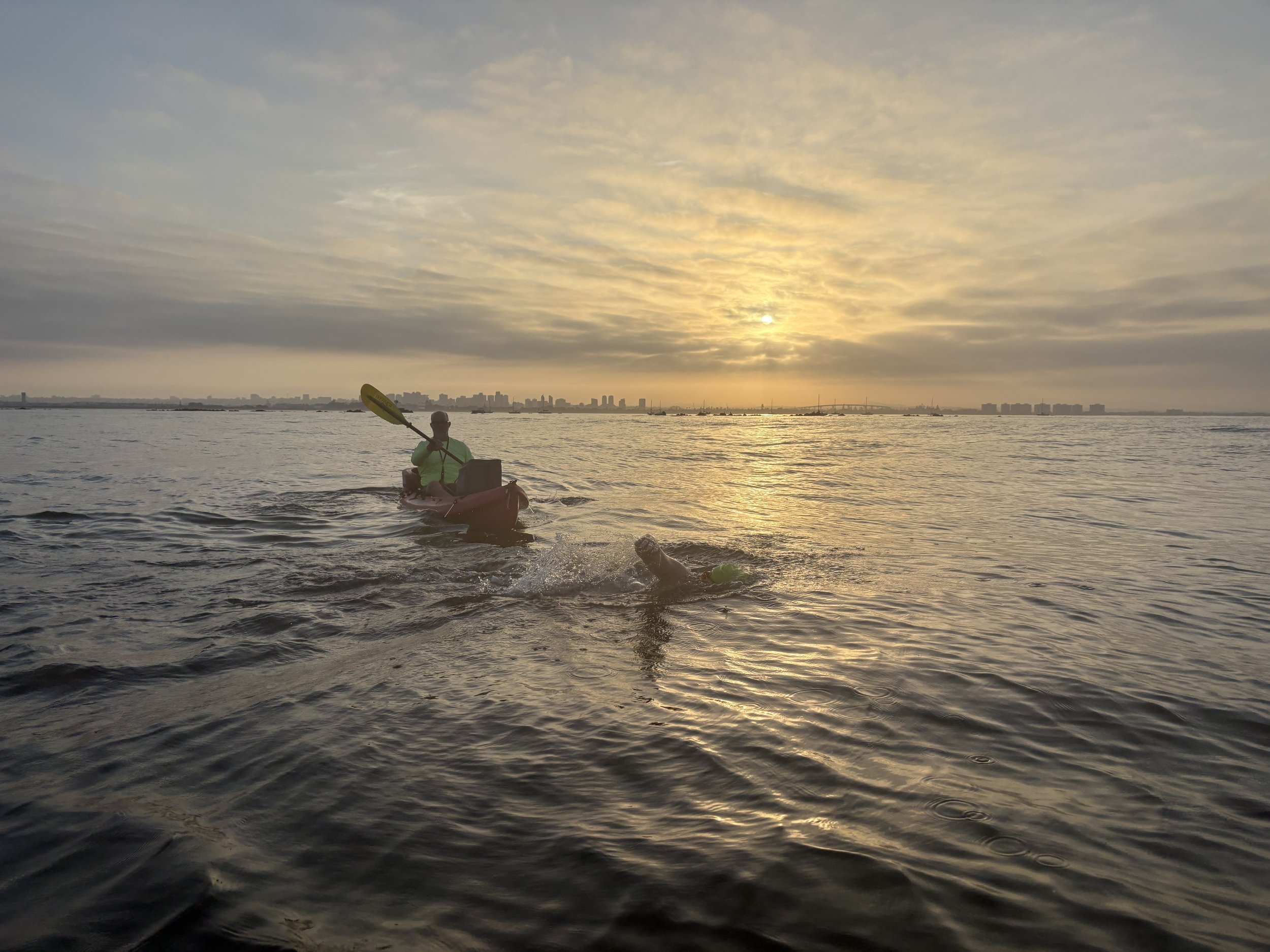
One of the things that makes Dan unusual as a coach is that he does not just coach from the pool deck or the boat. He has been the kayaker right next to the swimmer at 3am in the middle of the channel. He has heard them breathe. He has seen their face when things get hard. He has watched the whole arc of a major swim from inches away hundreds of times.
That changes how you coach preparation.
"As I accumulated the experiences over the years, I was always eager to see people bust through their barriers," he said. "And it was fascinating to see, as I was growing my own swimming as well, that we all go through the same process. We all have the same issues."
He talked about resilience as something you build not by being told about it but by doing things repeatedly until the hard parts stop feeling catastrophic. He referenced the old progression that if you can swim one mile you can swim two, if you can swim two you can swim four. The truth behind that is not just physical. It is psychological. You program yourself to recognize that you have been here before and you were fine.
The One Mistake He Wishes He Could Fix Overnight
I asked Dan the question I always look forward to asking coaches who have seen a lot. What is the mistake you see over and over on crew boats that you wish you could fix across the sport tonight?
His answer was immediate.
"It's not an endurance event for the crew," he said. "And a lot of people just want to stay up all night and commiserate with the swimmer and keep their eye on them the whole time. But the best practice is to have at least two crew so you can switch off, take shifts, get some rest, sleep, or just lay down and close your eyes."
Tired minds make mistakes. He has seen it from the kayak more times than he can count. Mistake after mistake after mistake on the boat, compounding over the course of a long swim, because the crew refused to rest. Sometimes those mistakes end swims that should never have ended.
"We're supposed to be at our best for the swimmer," he said. "And a lack of sleep is a big problem."
This is something I have reinforced with my own athletes. You are not honoring your swimmer by staying awake. You are putting them at risk. Rest is not optional on a channel crossing. It is part of the job.
His Session at Beyond the Breakers 2026
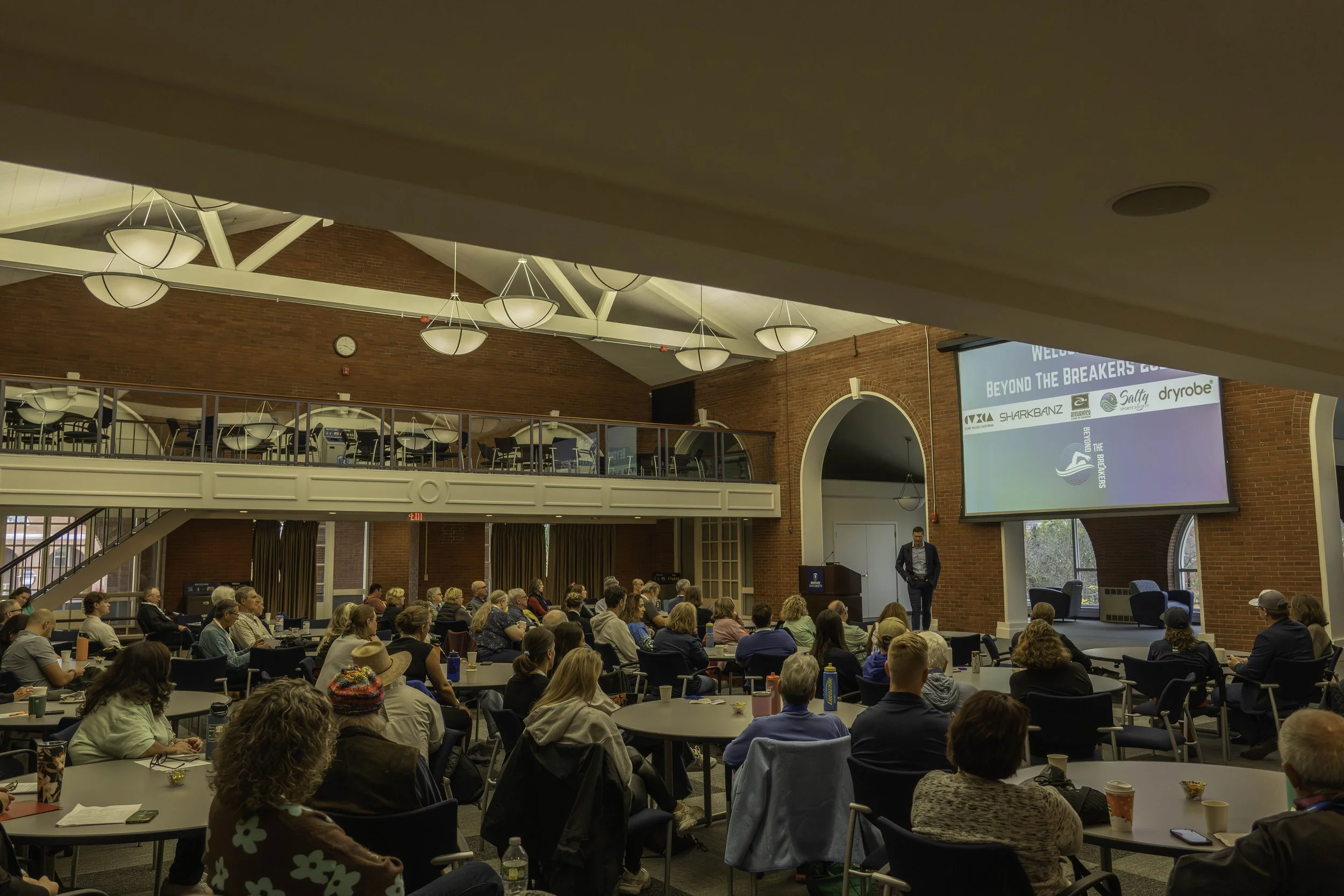
Dan is presenting at Beyond the Breakers 2026 alongside Summer Wesson. Their session is focused on kayak and crew support, which is one of the most overlooked topics in the open water swimming world. There are plenty of sessions at events like ours that cover training, technique, and nutrition. Very few ever address what it takes to support a swimmer from the water or the boat.
"We want to really invite people to jump in and try the support side," he said. "You learn so much. It's a great way to be part of a marathon swim even if you're not aspiring to be a marathon swimmer yourself. Going and supporting as a kayaker or crew gives you an opportunity to be part of a journey that is impossible without you."
I have crewed swims and I agree completely. There is something about being the person on the boat who the swimmer cannot do without that hits differently than finishing your own swim. Both are meaningful. The support side is underrated.
Dan's session is going to be especially valuable for people who want to be part of the open water world at a higher level but are not sure they are ready to attempt a major solo swim. You do not have to be the swimmer to have a profound experience in this sport.
Who Should Come to Beyond the Breakers
I asked Dan directly who he thinks should be at the event this November. His answer was everyone.
"What you've built here provides a community and it's open to everybody," he said. "However you want to be involved in the sport, there is something for you here. This isn't just for people that have been around for a while. It really is a nice on-ramp. Come on in. Let's party and have fun."
He also mentioned he is genuinely excited to hear Rowdy Gaines speak. He said they share some common ground around health challenges and he is looking forward to meeting him and hearing his perspective.
"I grew up through the Olympics with Rowdy," Dan said. "He was always fun to watch. And certainly given our similar paths with health issues, I really relate and I am looking forward to that conversation."
He also said he cannot wait to see Sarah Thomas and Elaine Howley, two swimmers whose pioneering work has meant a lot to him personally over the years.
If you have ever thought about crewing a major swim, kayaking a channel crossing, or just want to understand what it takes to support an athlete through one of the hardest physical challenges in the world, Dan's session is not one to miss.