
Going Long With Rowdy Gaines
Passion, Consistency, and the Valleys That Define Us
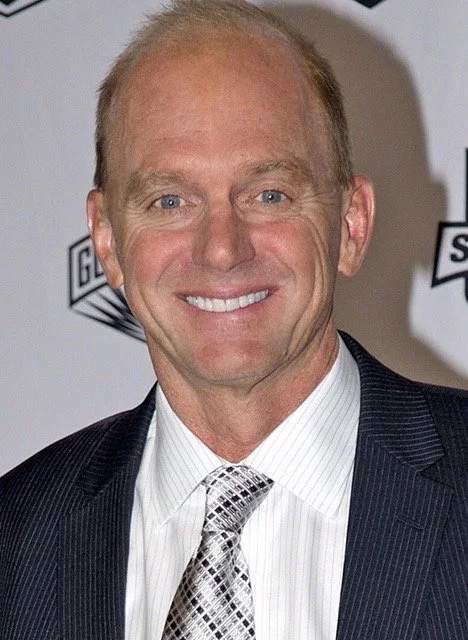
Rowdy Gaines was a failure before he was a champion.
He tried out for five different sports in high school. Got cut from every single one. When he finally tried swimming at seventeen, it wasn't because he dreamed of Olympic gold. It was because it was next in line, and miraculously, they didn't cut him.
That late start, that string of failures, that accidental path into the sport—these are the foundation of everything Rowdy became. And they're exactly why his message matters now, especially to the open water community gathering at Beyond the Breakers this November.
Because Rowdy Gaines isn't just talking about winning. He's talking about what it actually takes to keep going when the path isn't clear and the obstacles seem bigger than your dreams.
The Kid Who Couldn't Do Sports
Rowdy's story doesn't begin with natural talent or a childhood spent perfecting technique. It begins with rejection.
"I kept failing at sports before that," Rowdy explained during our conversation. "I tried out for five different sports before swimming and I got cut in each one of them."
When swimming came along, it wasn't a calling. It was just next. The football coach who also coached swimming didn't cut him—partly out of pity, partly because he saw something worth developing. But at first, Rowdy was genuinely bad. His first race was a 500 freestyle. He went ten minutes, didn't know how to do a flip turn, swam in cutoff jeans with no goggles.
Yet there was something there. When the coach put him in a 50 freestyle on an E-relay, paired with band members and a chess club guy, Rowdy out split everyone on the team. That moment changed everything.
"At that moment he realized, oh wow, this guy got a little talent here," Rowdy said.
Two and a Half Years to a World Record
What happened next is almost incomprehensible. Rowdy started swimming in February 1976 at seventeen years old. By July 1978, two and a half years later, he broke his first world record.
The coaches who guided him during this explosion of progress were arguably the two greatest in history. Eddie Reese in his freshman year of college, then Richard Quick after that. They recognized something in this late bloomer and pushed him toward his potential.
But the coaches alone didn't create the record breaker. Rowdy did something most athletes never do: he became a student of the sport.
Becoming a Student of the Sport
What separates Rowdy's approach from most young athletes is that his education didn't stop at the pool. When he realized swimming was going to be his path, he immersed himself completely.
"I did everything in my power to immerse myself in the sport," Rowdy said. "I would go to the library and check out four or five books on swimming and read them cover to cover. I would wait outside my door every month on the tenth for my Swimming World magazine and basically memorize it."
This wasn't just about technique. He studied history. He learned about the 1976 Olympic team—his heroes—and bought books about swimming's past. When his high school didn't have morning workouts and he needed to train twice daily to compete with college programs, he snuck into local motels to use their pools in the morning.
"I would sneak into motel and get kicked out of one and then sneak into the next one and get kicked out of that one and sneak in the next one," he said with a laugh.
The point wasn't the hustle, though there was plenty of that. The point was the mindset: he decided to know everything he could about the sport he loved. Not just how to swim faster, but why swimmers swam the way they did, who the legends were, what the history was.
"I'm a true historian of the sport," Rowdy said. "I know more about the 1976 men's Olympic teams than they do themselves."
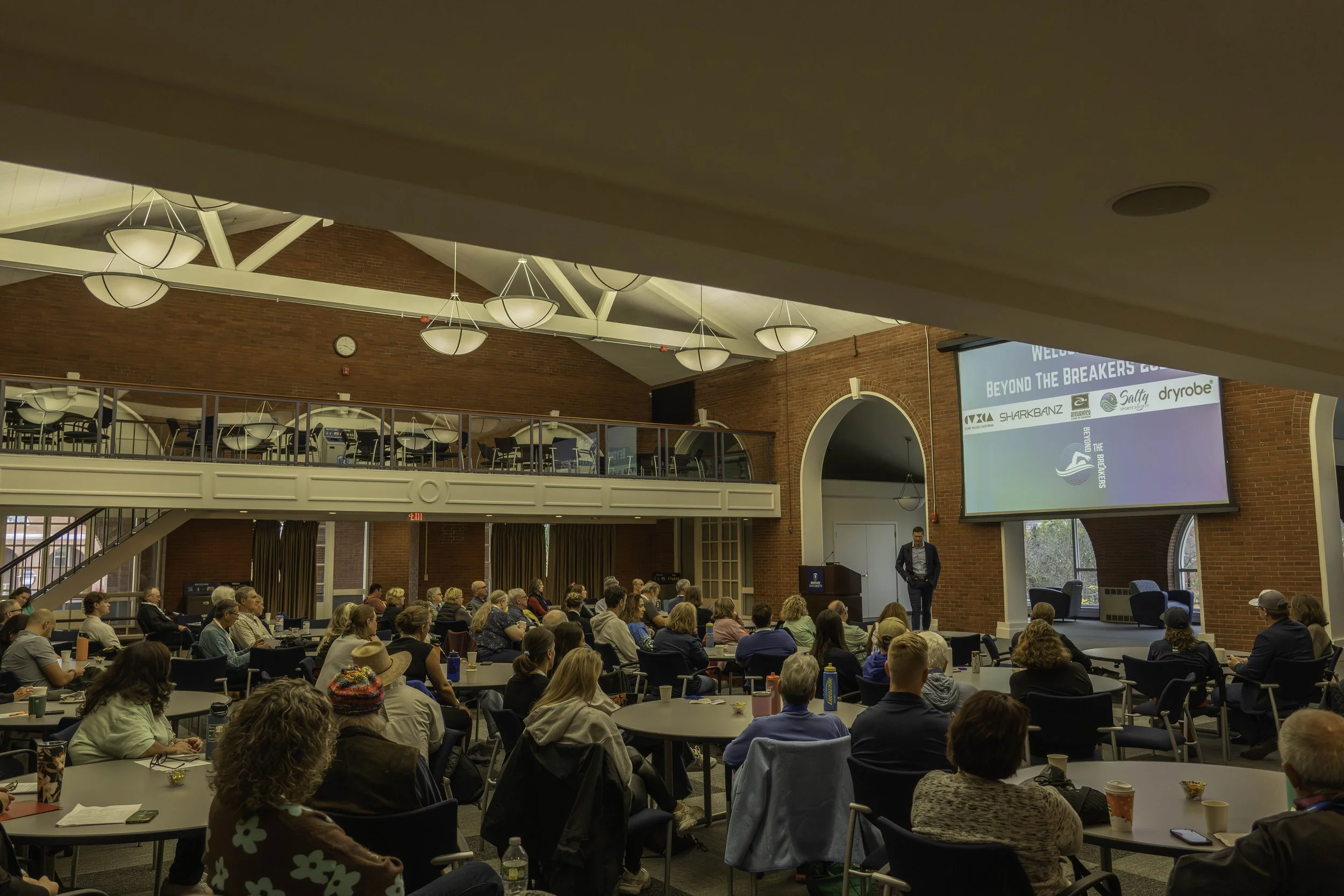
Photo Credit Helen Cogan Photography
Advice for Late Bloomers
If you're thirteen, fourteen, or sixteen and you're looking for your thing, Rowdy has advice that goes against the grain of modern sports culture.
The first word is patience.
"Don't try to do it all in one day," he said. "Learn your craft. Immerse yourself in the sport."
The second piece is equally important: don't be an island.
"I think a lot of us put this whole weight of the world on our shoulders and don't rely on others for help and support," Rowdy said. "And I think when I swam, my worth was defined by what I was doing instead of including the people that loved me and cared for me—my coaches, my teammates, my family."
This is the contradiction that took Rowdy years to understand. You have to be relentless. You have to immerse yourself. You have to work harder than everyone else. But you also have to lean on the people who believe in you.
Swimming is hard. Pool swimming, with all its structure and control, demands miles every day. Rowdy swam six, eight, ten miles daily as a sprinter. For endurance athletes, he noted, multiply that by a hundred.
"This sport is not for the faint of heart," Rowdy said. "It'll eat you up."
The people around you—your coaches, your teammates, your family—they're not distractions from the work. They're essential to sustaining it.What Goes Into a Proper Safety Plan
What He Sees in Open Water Swimmers
Rowdy admires open water swimmers and triathletes more than almost any other athletes.
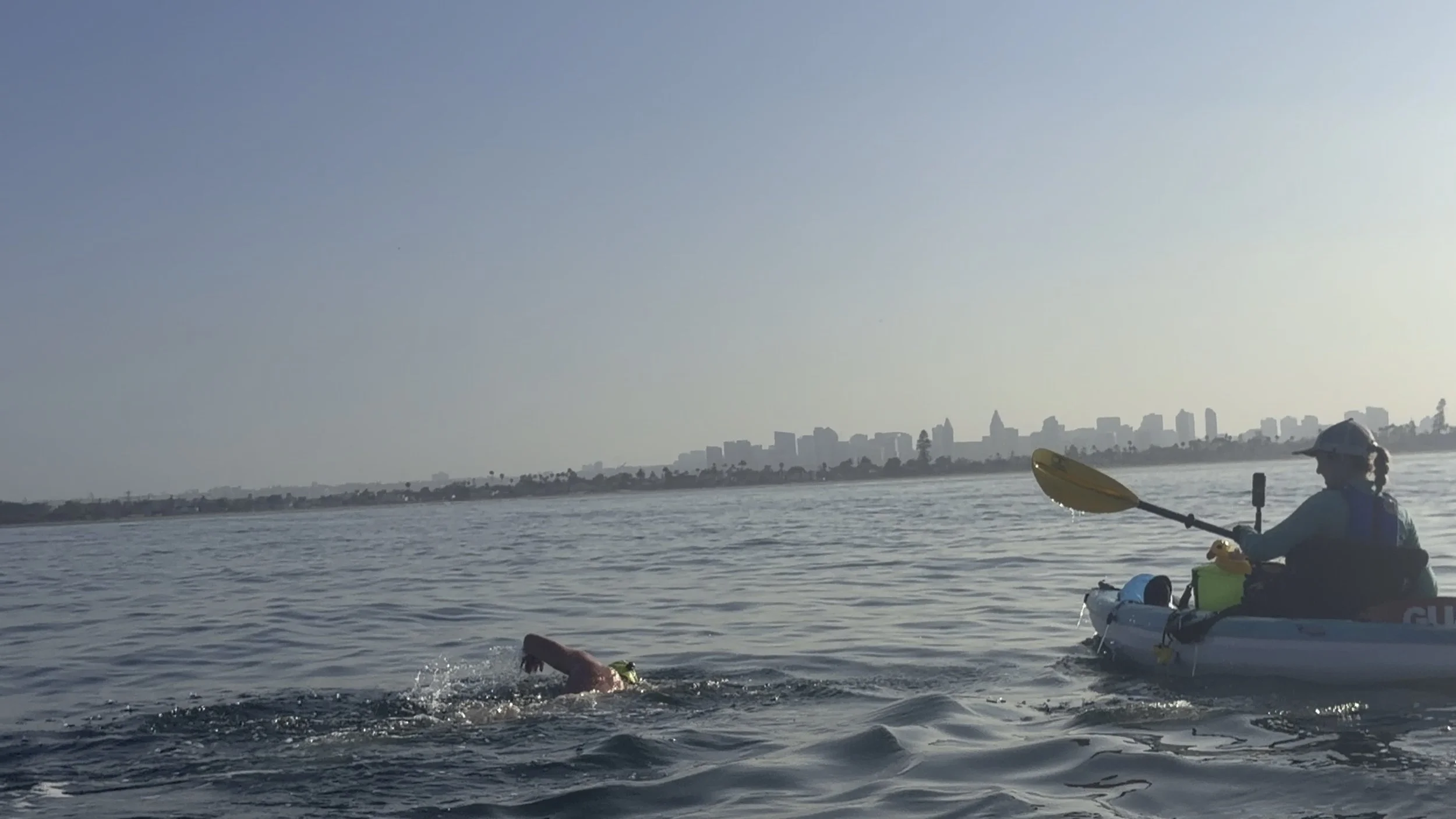
As someone who trained in a pool, counting strokes, knowing his splits every fifty meters, who had complete control of his environment, Rowdy understands what it means to step outside that comfort zone. Open water swimmers don't have a black line. They can't see the bottom. Currents shift. Visibility changes. Temperature is what it is.
And triathletes? They add two more sports to the equation.
"I can't imagine adding two more sports to that or adding the fact that I've got to go swim outside my comfort zone," Rowdy said. "My comfort zone is looking at the line of the bottom pool, counting my strokes, knowing exactly the time I'm going every single fifty. Not to be able to have that advantage is tremendously difficult."
When you add in all the variables—the unpredictability, the mental challenge, the physical demands—Rowdy's respect for open water athletes becomes clear. They're doing something he couldn't fathom doing himself.
The Olympics Changed Everything
Rowdy offered perspective on how open water swimming has evolved as a sport. When open water was introduced to the Olympics in 2008, it changed the entire landscape.
"That changed the dynamics of open water swimming dramatically," he said. "Now with World Championships including open water and relays and more than just the 10K, it's opened it up to a lot of different athletes."
Before the Olympics, open water swimming was niche. You had your historians—people like Paul Azimuth who were true innovators. But once the Olympics came calling, everything shifted. Suddenly, there was a pinnacle. A World Series. A Super Bowl.
This matters because the US has built a tradition of excellence in pool swimming for seventy years. Since 1956, the US has been number one in the world. But in open water? America is still in the infant stages.
"We're not 1776 in open water swimming, but we're probably 1876 right now," Rowdy said. "We're still in the infant stages compared to Europeans who have been so dominant for so much longer."
The challenge is that open water swimming isn't naturally part of the American swimming culture yet. It's something you have to seek out. If you live in Bismarck, North Dakota, finding an open water community is a whole different task than finding a pool.
But Rowdy is optimistic. The talent is there. The desire is there. What's needed is for the US to build a tradition of excellence in open water the way it has in the pool. And that requires heroes. It requires people like Katie Ledecky or Bobby Finke deciding to dive into the open water world.
Passion Versus Consistency
When people ask Rowdy what made him an Olympic champion, he gives the same answer every time: two words.
Passion and consistency.
But here's the twist: he didn't love swimming while he was doing it.
"I didn't love it when I was doing it, dude. In fact, I hated the actual part of swimming and training," Rowdy said. "But I loved the feeling of after I finished. That's what I craved. That's what I was addicted to—that finish line, the end of the 2-hour practice."
This distinction matters more than most people understand. Passion isn't about loving the work. It's about loving what the work produces. The feeling. The accomplishment. The progress.
Consistency is showing up even when you don't feel the love. It's training when you're tired. It's reading about the sport on days you're not swimming. It's believing in the process when the results haven't come yet.
"I was never perfect by any stretch of the imagination," Rowdy said. "But when you're trying to live your life as consistently as possible, perfection isn't the goal. Consistency is."
The Valleys Define Us
Rowdy created the track start in swimming because he was willing to take a risk. He talked about not being afraid to fail because failure is part of innovation.
But his most powerful message comes from the 1980 Olympic boycott.
He trained four years for those Olympics. Then the US boycott took it away from him. So he trained another four years for 1984.
"The ones that are real champions are the ones that can live through the valleys," Rowdy explained. "The valleys kind of define us."
Most people remember the peaks—the world records, the Olympic medals, the moments of glory. But the valleys are where character is forged. When you've trained four years and the opportunity is taken away. When the weather cancels your swim. When you're injured and watching from the sidelines. When you question whether all of this is worth it.
The athletes who succeed aren't the ones who avoid the valleys. They're the ones who know how to move through them.Beyond the Breakers 2026
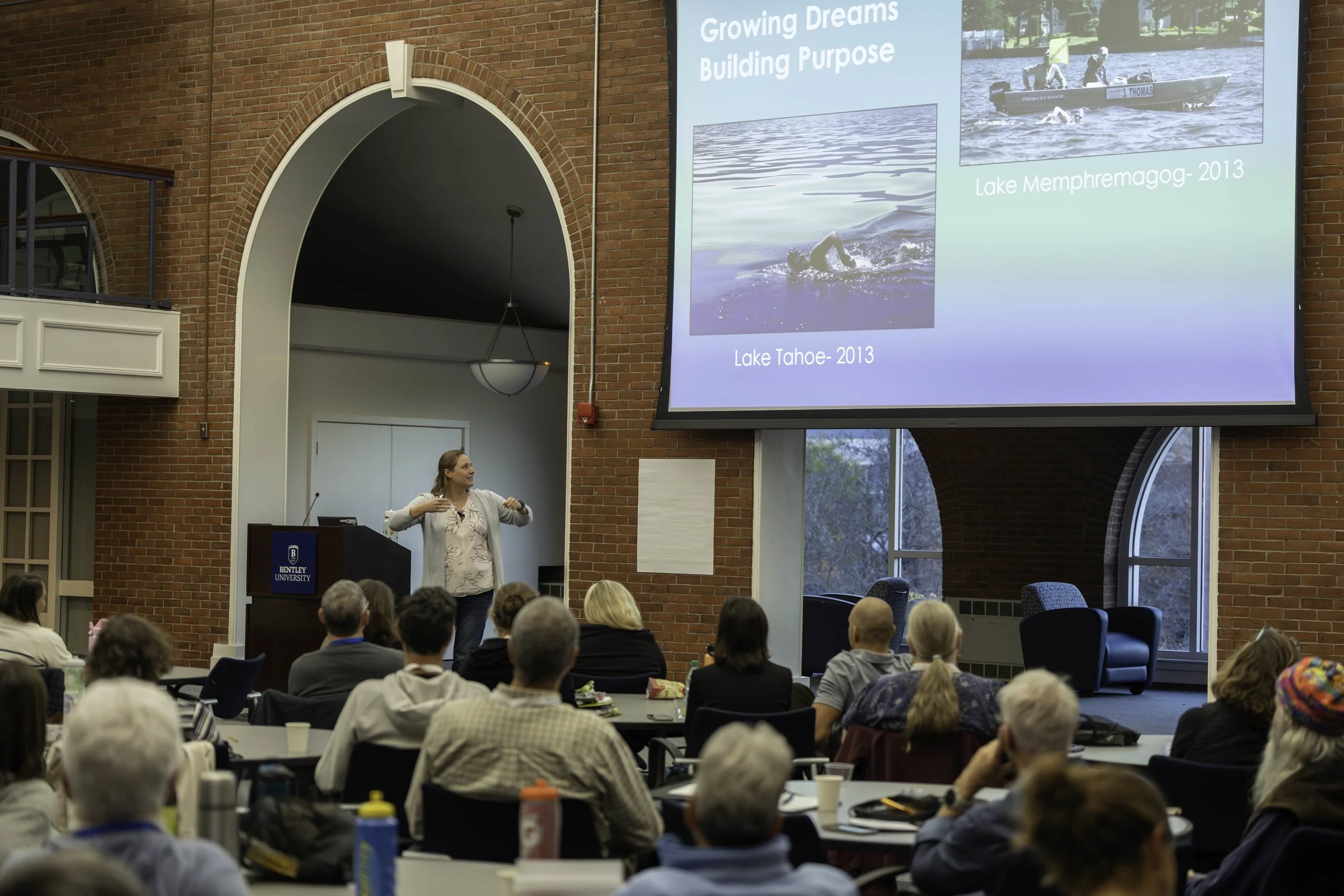
Photo Credit Helen Cogan Photography
Beyond the Breakers 2026
When Craig asked Rowdy why he said yes to keynoting Beyond the Breakers, his answer was simple: respect.
"These people are studs, man," Rowdy said. "The audience there is going to be like, I need to inspire you. You inspire me. I love to be around people. It energizes me to be around my brothers and sisters."
Rowdy is a sprinter. Open water swimmers are endurance athletes. Different sports, different demands. But he sees them as family. As people doing something he admires more than almost anyone else.
"I'm like this skinny kid from Winter Haven, Florida, man, out in the middle of nowhere. I lived ten miles out on a dirt road growing up. No money. My family didn't have squat. And somehow or another, I made it. And if this skinny little kid can do it, then anybody can."
His keynote will explore passion and consistency. It will talk about risk-taking and originality. It will dive into the peaks and valleys. And it will include an interactive game where the audience gets a chance to win something cool.
But underneath all of that, the message is clear: success isn't about being perfect. It's about showing up. It's about immersing yourself in your craft. It's about leaning on the people who believe in you. And it's about understanding that the valleys—the setbacks, the disappointments, the moments when everything gets taken away—those are the moments that define who you become.
The Takeaway
Rowdy Gaines didn't start swimming until he was seventeen. He failed at five other sports first. He went from nothing to a world record in two and a half years. He trained through an Olympic boycott. He created innovations because he wasn't afraid to risk failure.
And now, after fifty years in the sport, he's still learning. Still immersing himself. Still becoming a better student of what swimming is and what it means.
His message to anyone—whether you're a first-time open water swimmer, an English Channel hopeful, or someone pursuing any ambitious goal—is this: be patient, believe in yourself, lean on others, be consistent, and never underestimate what the valleys will teach you.
That's life advice from someone who knows what it takes to make it.